Ordinary is a good place to begin.
You do not need a polished explanation. An everyday place, an activity or a question can be enough to give an imagined conversation a starting point.
An occupational-therapy-practice concept
The things you do. The places you spend time. The small details that make a day your own. A place to begin a conversation about them.
Find a starting point A little more space
Start with everyday context
You do not need a polished explanation. An everyday place, an activity or a question can be enough to give an imagined conversation a starting point.
The context is yours to describe. This concept makes room for preferences and questions without deciding what a person should do or what a conversation will lead to.
Find your starting point
Read a little. Follow your curiosity.
Choose a context when it feels like a useful place to start.
The kitchen table, a favourite corner, a familiar routine. Begin with an ordinary part of the place you call home.
An everyday setting can give a conversation somewhere to begin. Take a question that catches your attention, or bring a general question of your own.
Questions to carry with you
Choosing a context only updates your local note.
Questions to carry with you
A page, a project, a new way of doing something. Make space for questions about the places and materials involved in learning.
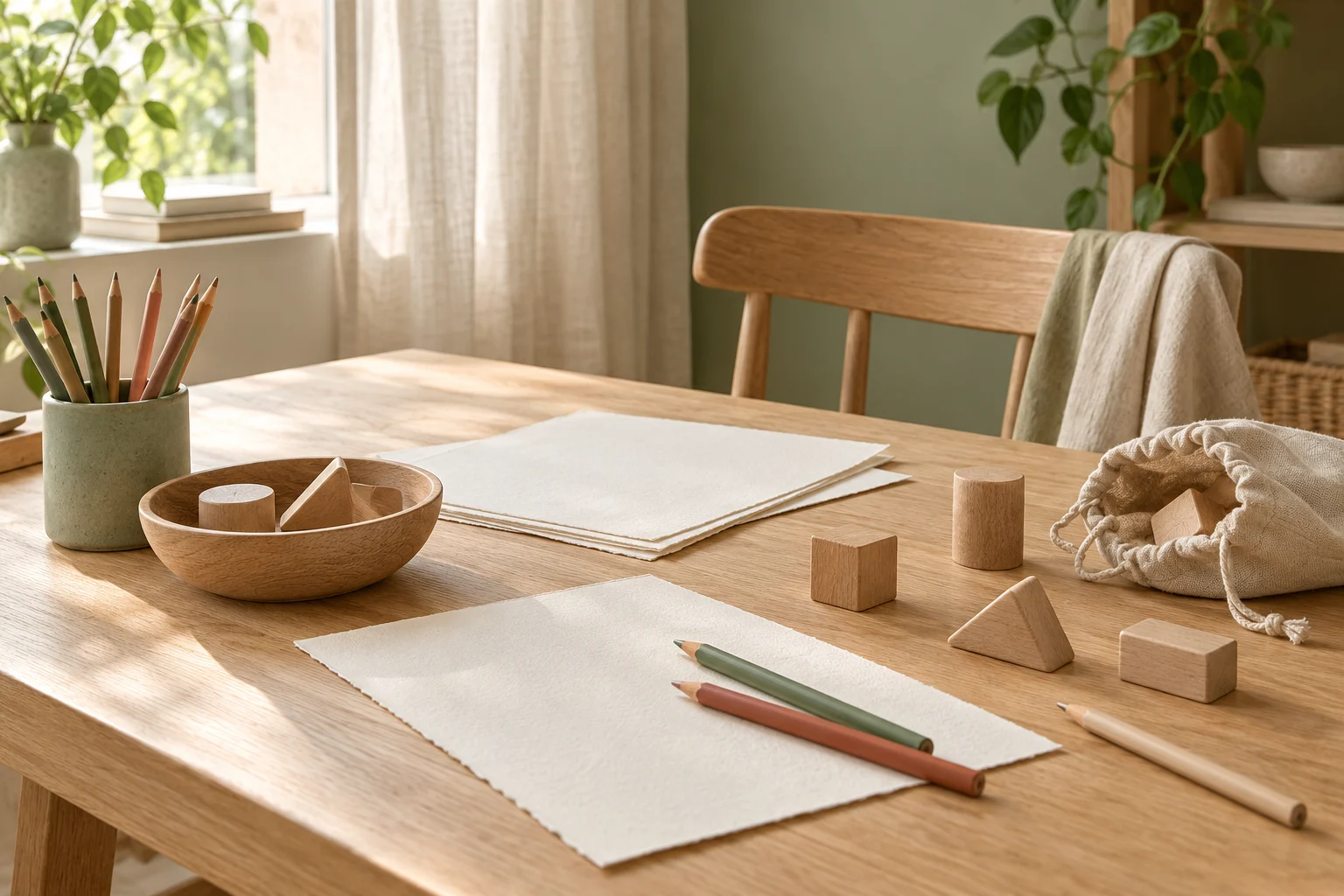
An everyday setting can give a conversation somewhere to begin. Take a question that catches your attention, or bring a general question of your own.
Questions to carry with you
Choosing a context only updates your local note.
Questions to carry with you
A desk, a shared space, the things between tasks. Start with a question about the shape and setting of a working day.

An everyday setting can give a conversation somewhere to begin. Take a question that catches your attention, or bring a general question of your own.
Questions to carry with you
Choosing a context only updates your local note.
Questions to carry with you
The spaces and conversation topics are imagined. Looking through them makes no commitment.
Your selected starting point
The kitchen table, a favourite corner, a familiar routine. Begin with an ordinary part of the place you call home.
Keep a question closeSomething to start with
Exploring another context leaves this choice in place.
The practice perspective
A conversation starts with what a person wants to understand. The page offers prompts for that conversation, without interpreting anyone’s circumstances.
An activity happens somewhere: around a table, beside a shelf, at a desk. The objects in these imagined spaces are an invitation to notice everyday context.
There is room to wonder, to return to a thought, or to leave it for another day. Choosing a topic here creates no commitment and makes no recommendation.
Before a conversation
Look through home, learning and work. Opening a row lets you read it; use “Use this starting point” only when you want that context in your note.
An authored question can help you find your own words. You can keep it broad: what would you want to understand about a conversation, a setting or an everyday activity?
This is a fictional practice concept. Keep your note general, with no symptoms, diagnoses, names or other personal information. It stays unsent in this page.
A local interest note
A context that caught your attention. A question you would like to keep. Put a few general words around it.
This is a fictional practice concept. Your note stays unsent in this page. Nothing is sent or stored, and no appointment is requested. Refreshing or leaving clears it.
Leave out symptoms, diagnoses, names and other health or personal information.
Good to know
A few details about this imagined practice and your local note.
No. This is an original fictional occupational-therapy-practice concept. The spaces, photographs and conversation topics are imagined. No therapy, professional advice or appointments are offered here.
The chosen context appears in your selected starting point and local note. Reading or closing another context does not change that choice. You can choose again at any time.
It stays unsent in the current page. Nothing is transmitted or saved to a service or device storage. Refreshing or leaving clears it, so copy any general question you want to keep before you go.
A general question about an everyday context or what an introductory conversation might cover. Do not include symptoms, diagnoses, names, dates of birth or other health or personal information.
Yes, a general question about a setting or communication preference can be a starting point. The photographs show imagined spaces and do not confirm accessibility, facilities, availability or a real service.