Follow a line.
A stem gives the eye somewhere to begin. Look at its direction, its small bends, and the space it leaves around itself.
THE LIVING COLLECTION
A collection of quiet forms. The fine line of a stem, the fold of a leaf, a small reason to look again.
Explore the specimensA fictional native-plant nursery concept.
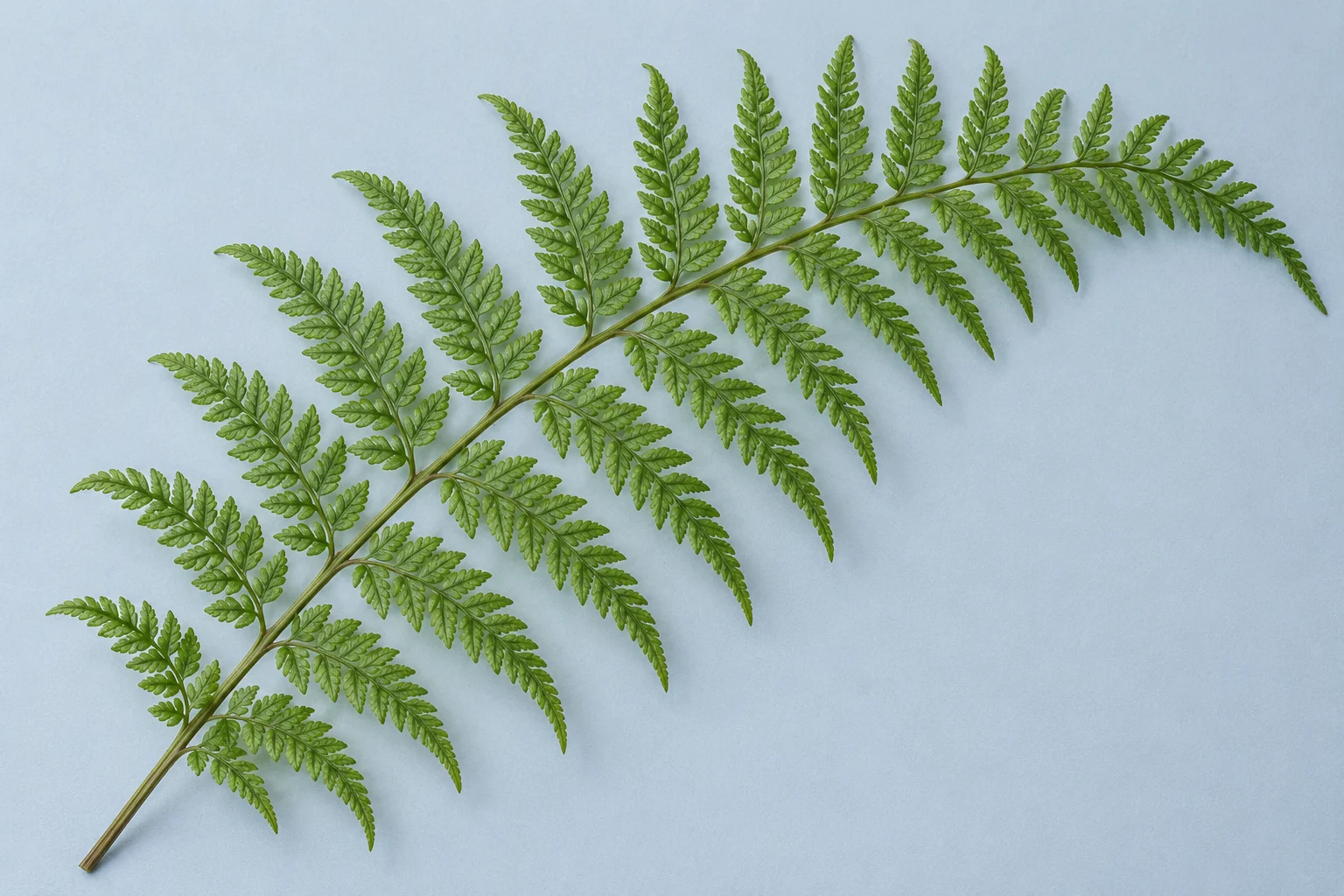
A COLLECTION OF FORMS
Before a name, before a plan,
there is the thing that catches your eye.
A stem gives the eye somewhere to begin. Look at its direction, its small bends, and the space it leaves around itself.
Repetition rarely means sameness. One leaflet, then another: a quiet variation inside a familiar shape.
Nothing here needs to become a decision straight away. A closer look is a useful place to start.
THE SPECIMEN FINDER
A few different ways to see the collection.
Choose a study to look a little closer.
Visual collection categories, not site-specific planting guidance. These are fictional studies, not identified species or nursery stock.
4 of 4 studies shown
SELECT A STUDY / OPEN ITS DOSSIER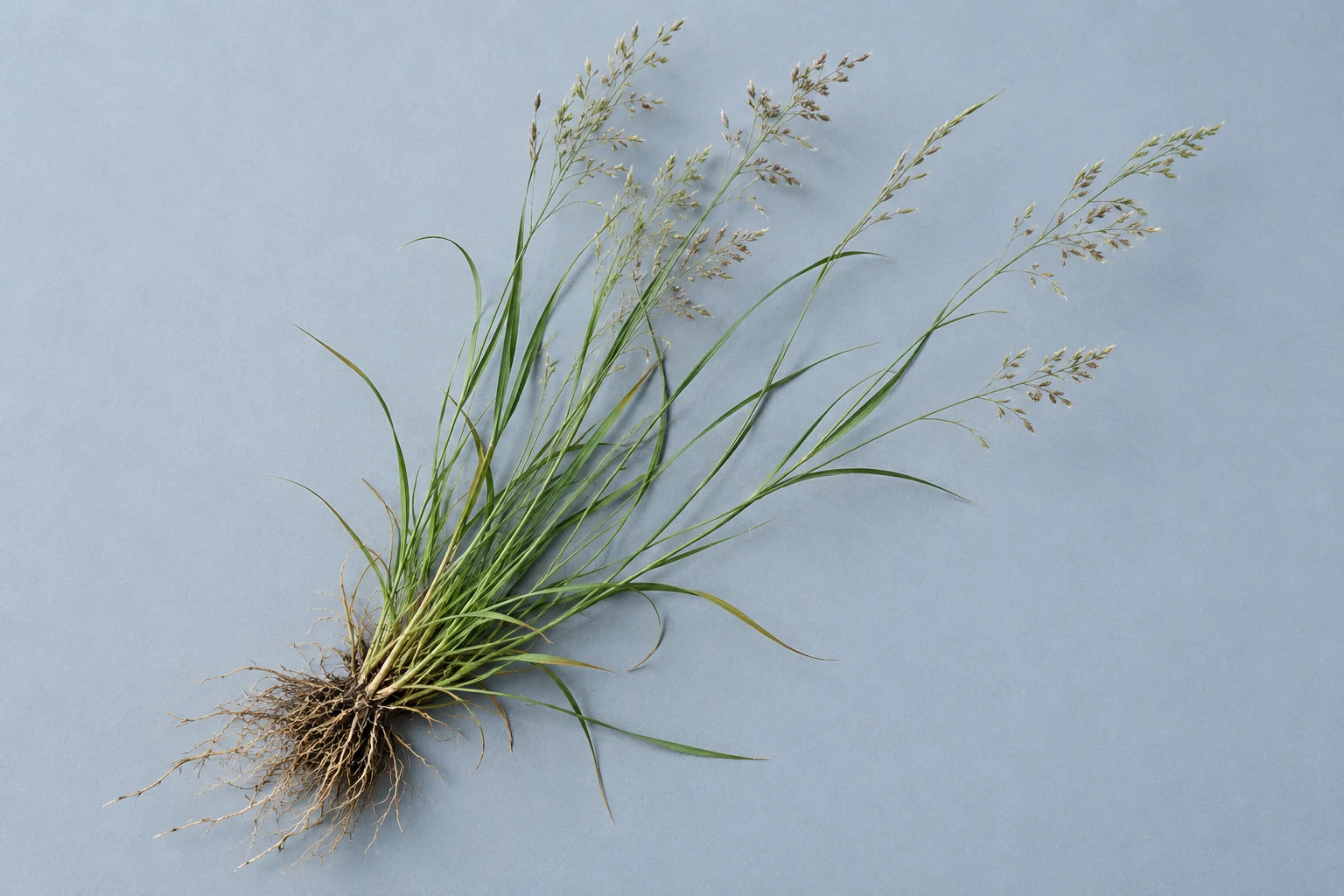
GRASS / OPEN
Fine stems travel in different directions. The space between them is as much a part of this study as the delicate seed heads. Look from a distance, then follow a single line.
A visual observation, not a botanical identification.
THE NURSERY IDEA
SEED KIND imagines a native-plant nursery that begins with curiosity: what caught your eye, what you want to understand, and which questions are still open.
A real conversation would need a real location, a correctly identified plant and knowledge of that place. These visual studies leave those answers open.
A thoughtful collection can make an unfamiliar subject feel approachable. Clear labels and a little breathing space are part of the idea.
QUESTIONS TO BRING
You do not need all the answers
to start a thoughtful conversation.
Bring the name of a real plant, when it is known, and ask how its identity was established. These collection names describe visual studies only.
Ask about a specific place and the evidence behind a native-range description. A photograph alone cannot answer that question.
Write down what you know and what you would like a knowledgeable local nursery to explain. An unanswered question is a good thing to keep.
A LOCAL PLANT NOTE
A small observation. Something you would like to understand. Leave yourself a little room for the question.
A local, unsent note for a fictional nursery concept. Nothing is sent or stored. Leave out personal information.
BEFORE YOU BEGIN
Good questions deserve
straightforward answers.
No. SEED KIND is a fictional native-plant nursery concept and a local design demonstration. There is no shop, stock list, address, order or nursery service behind this page.
No. The original images are labelled visual collection studies. Meadow study, Small-flower study, Frond study and Broad-leaf study are descriptive names, not botanical identifications or claims about native range.
No. Open, Dappled and Sheltered are fictional visual collection categories. They do not describe a plant’s requirements or offer site-specific planting guidance. Filtering also leaves your selected dossier unchanged.
Nowhere. Preparing a note shows one unsent summary in this page session. Nothing is submitted or stored. Editing the note or changing its specimen removes the previous summary; reloading or resetting clears the session.
This page can help you collect a question, but it cannot identify a plant, establish its native range or recommend care. A real planting decision needs verified information and advice appropriate to your place.