People before terminology.
You do not need a vocabulary of specialist words to begin. A question about how a conversation works is a useful place to start.
An audiology-practice concept
About the everyday. About the things you want to understand. A little room to ask, in your own words.
Find a starting point A little room between the lines.

Listening begins with people
You do not need a vocabulary of specialist words to begin. A question about how a conversation works is a useful place to start.
There is no perfect introduction to prepare. Explore a topic, read the questions and keep the ones you would like to come back to.
This imagined practice begins with the idea of dialogue: asking, clarifying and making space for another question. No assessment takes place here.
A starting point
Choose a reason. Find a few questions.
There is no right place to begin.
Sometimes the first question is simply about what a conversation could look like. Start with the introductions, the language and the space to ask again.
A shared table. A busy room. An ordinary exchange. Explore how everyday settings could become a starting point for a conversation, without sharing personal health details here.
Unfamiliar terms can leave a lot to ask. This starting point is about understanding a discussion, with no products, recommendations or choices made on this page.
Think about the shape of a shared conversation. There may be questions about bringing a support person, making introductions or keeping your own voice at the centre.
Your conversation card
Take a question with you. Leave room for the conversation to go somewhere new.
Copies only the displayed card, never your own note.
The visit setting
A shared table. A little daylight.
A place imagined around an exchange.
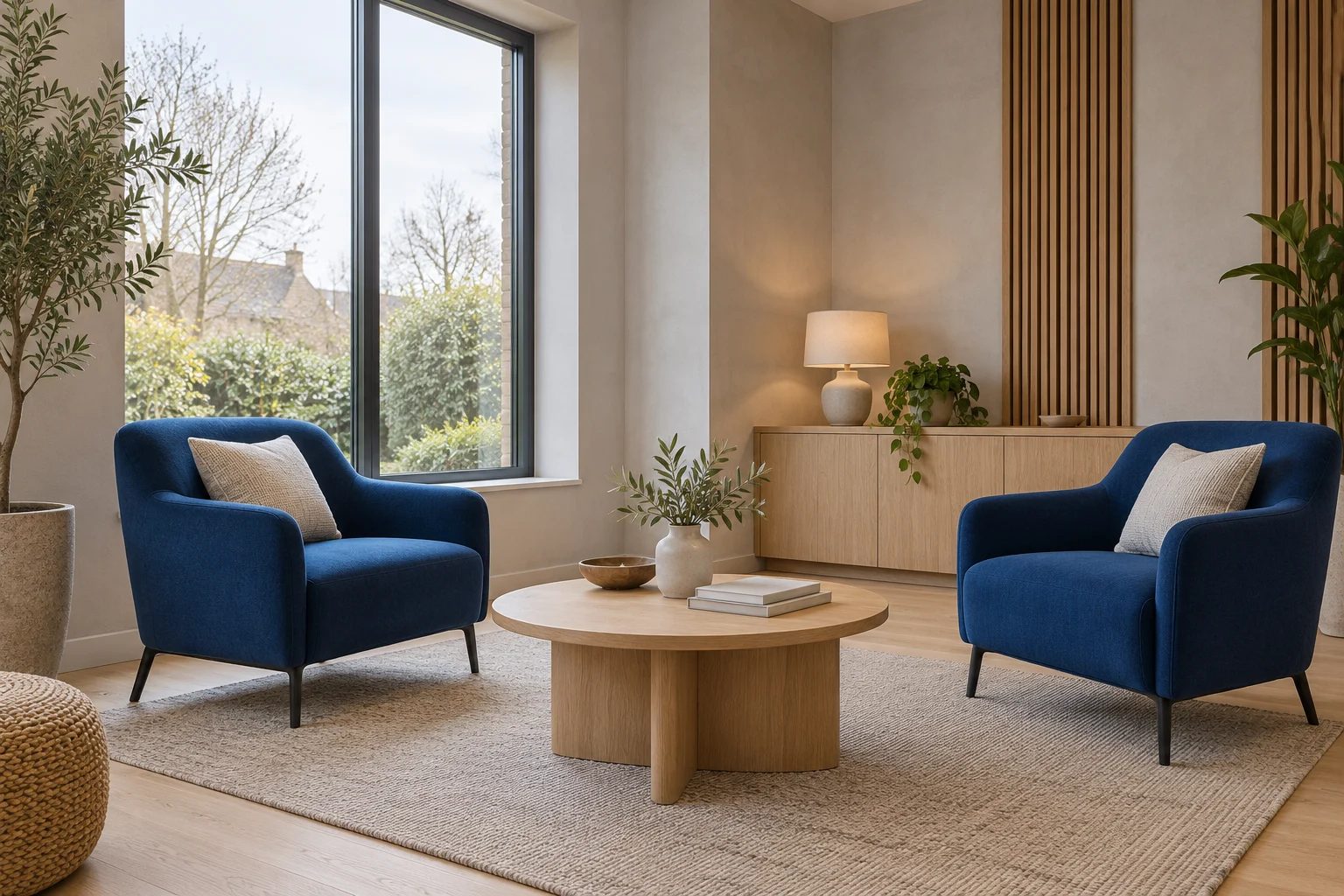
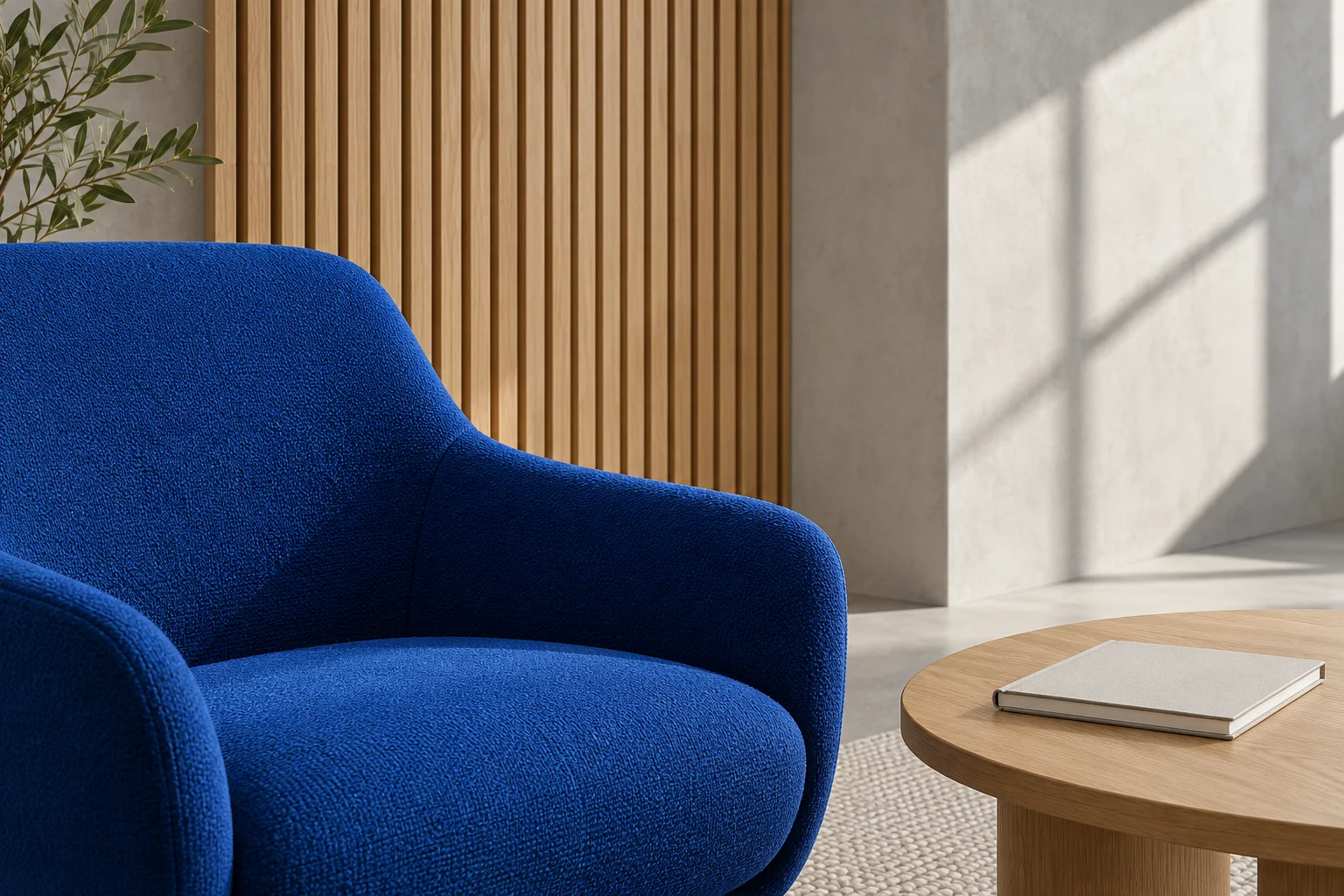
Chairs turned toward one another. Daylight across a shared table. An imagined setting composed around a simple conversation.
Warm grey, tactile oak and a clear note of cobalt. The photographs describe one fictional world, rather than a real practice or its facilities.
If you contact a real practice, you can ask about the setting and any access arrangements you want explained. These images make no claim about available facilities.
Preparing a question
It might be the conversation itself, an everyday setting, an equipment term or bringing someone along. There is no required order.
Read the conversation card and copy its general questions if they are useful. The copy action includes only the displayed card, never your note.
You can keep a general question about introductions, explanations or the setting. Leave names, symptoms, diagnoses and other private details out of this demo.
A local conversation note
A question about introductions. A term you want explained. Give it a place to land.
This fictional demo keeps an unsent note in the current page. Nothing is sent or stored, and no appointment is requested. Refreshing or leaving clears it. Leave names, symptoms, diagnoses and other private details out.
Good questions
HEAR WELL is an original fictional audiology-practice concept. The people and spaces in its images are imagined. There are no clinicians, live services or appointments behind this page.
No. The page offers general conversation starting points. It does not test hearing, collect health information, diagnose anything or provide advice about equipment.
Only the exact displayed conversation card: its topic title, introduction and authored questions. Your own note is never included. If clipboard access is unavailable, the same text is provided for manual selection.
It stays unsent in this page session. Nothing is sent or stored, and no appointment is requested. Refreshing or leaving clears it. Keep private and health information out of the note.
Yes. Choose another reason above or change the reason in the form. A new reason replaces the question card and clears any previous prepared note. Copying questions or choosing the same reason leaves your note in place.