A shared picture
Maps, themes and careful descriptions that help a team discuss the same experience.
DESIGN RESEARCH / EVERYDAY LIFE
Look closely.
Keep an open mind.
A design research practice for the small details, familiar routines and unanswered questions that shape how we live.
Explore the methods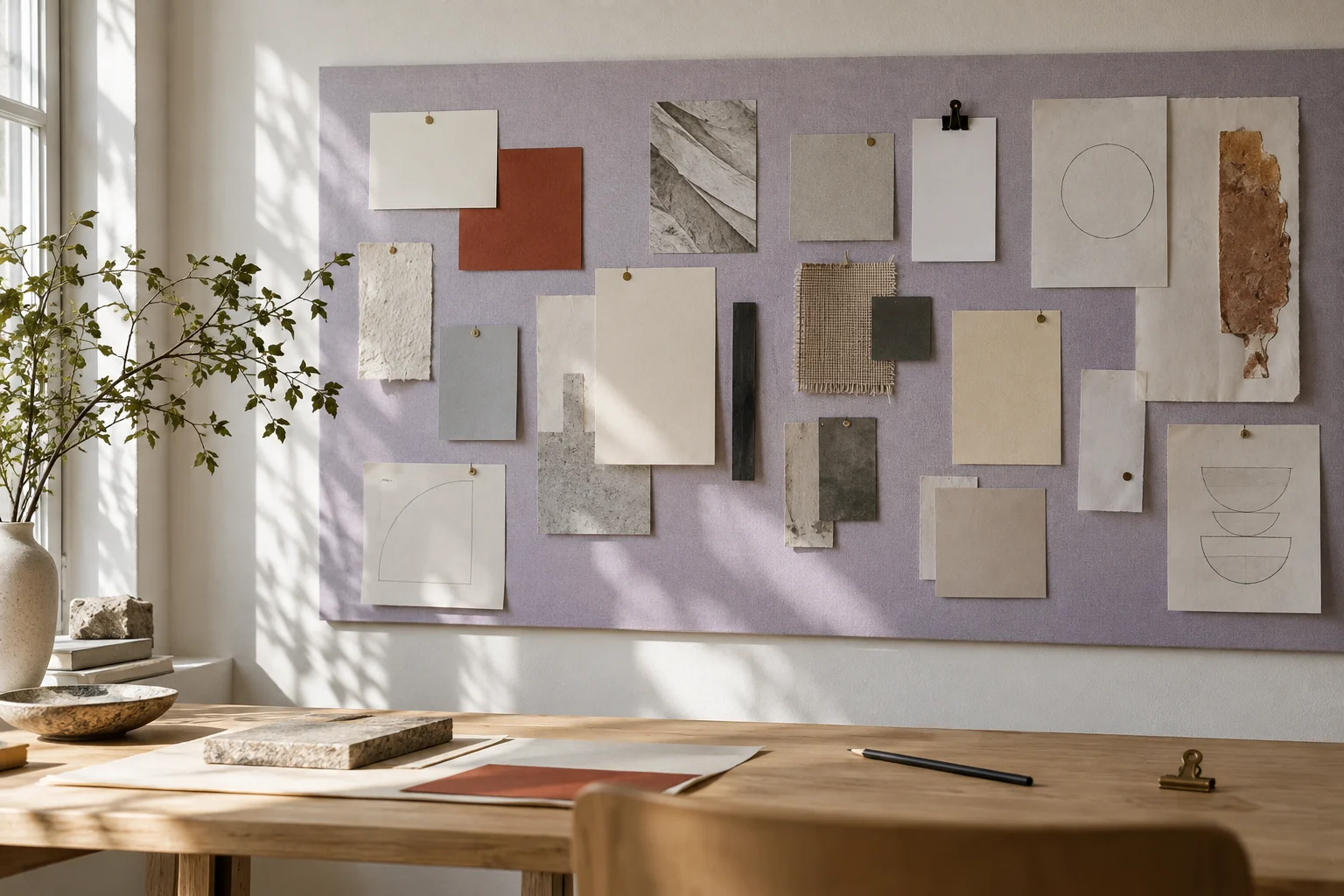
Good questions
start here.
THE VALUE OF
LOOKING CLOSER
Before deciding what should change, it helps to understand what is already happening. The pauses. The familiar habits. The ways people make things work.
Research gives those details a place in the conversation. A patient look can reveal a question that a quick answer would miss.
Less assumption. More attention.
AN OPEN METHOD BOOK
Different questions call for different ways of paying attention. Choose a method and a context to explore an authored example.
A QUESTION TO BEGIN WITH
A journey sketch that separates the intended steps from the pauses and improvised workarounds.
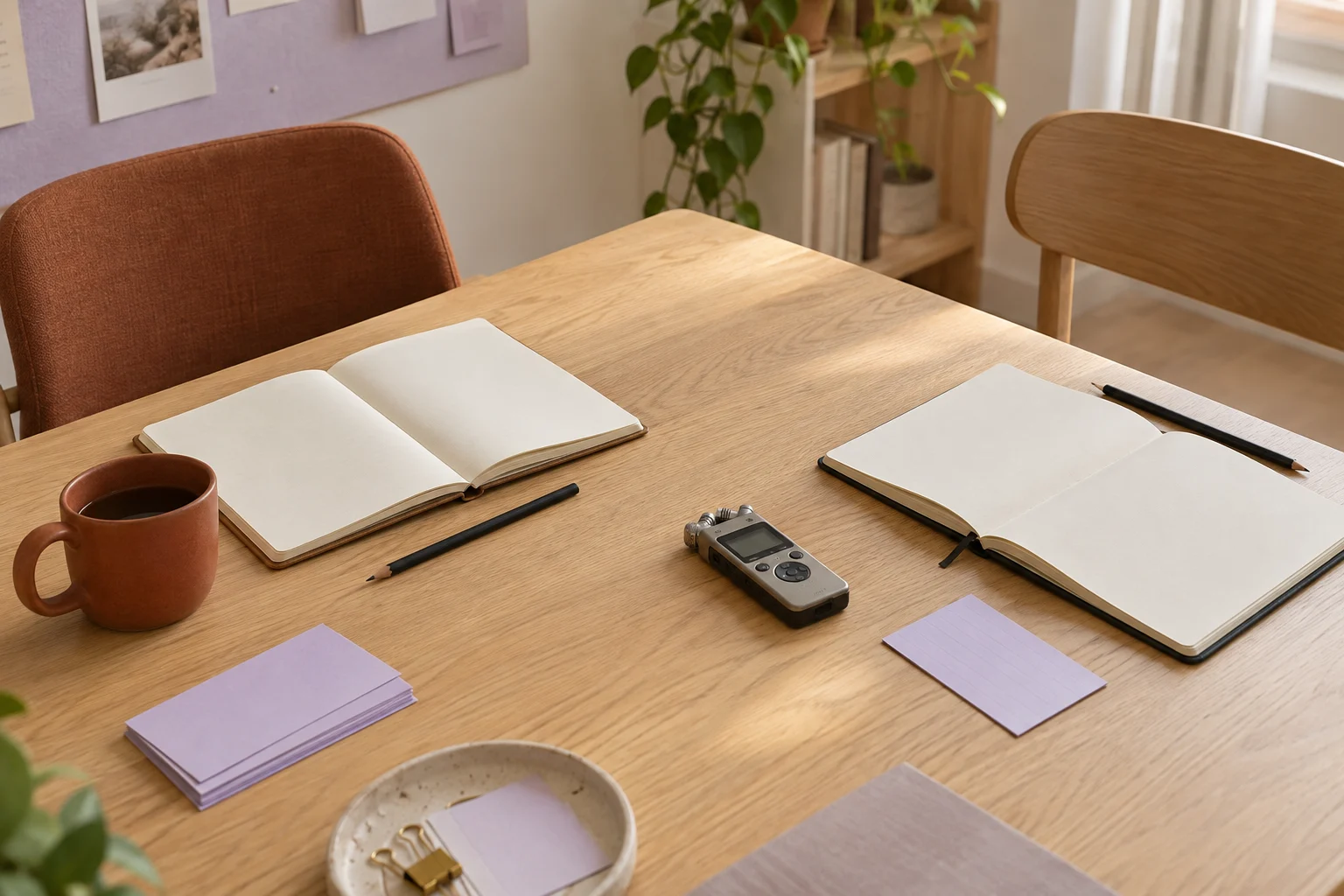
Start with an ordinary arrival. Note what is visible, then keep interpretations separate from observations.
WHAT RESEARCH LEAVES BEHIND
Not just a document. A way to have a more useful conversation about what could come next.
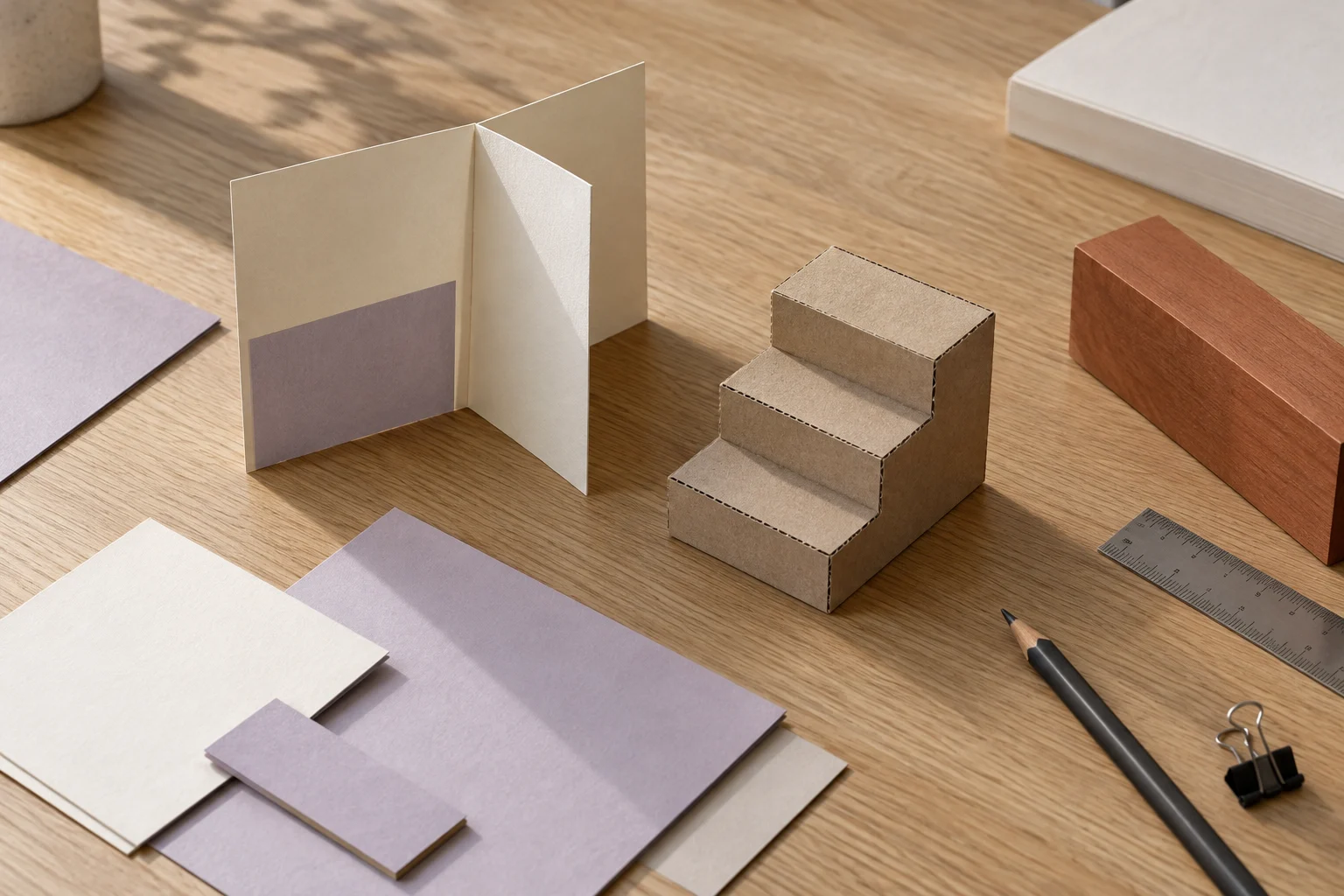
Maps, themes and careful descriptions that help a team discuss the same experience.
A clear distinction between what was noticed, what might explain it and what still needs to be understood.
A small, tangible next step with its assumptions visible. An invitation to learn more, not a promise of certainty.
Useful research keeps the unknowns in view.
QUESTIONS FROM EVERYDAY SITUATIONS
Three imagined starting points.
An invitation to notice your own.
At the counter
An imagined service question about signs, waiting and knowing whose turn comes next.
Around the kitchen table
An imagined product question about habits, attachments and practical adjustments.
Between one step and the next
An imagined collaboration question about information, expectations and shared understanding.
A COLLABORATIVE PRACTICE
A good question benefits from more than one perspective. This is one way to give a shared enquiry its shape.
Agree on what is useful to understand, who may be affected and what a proportionate enquiry could look like.
Choose a method that fits the question. In real research, participation, consent and care need to be planned before any fieldwork.
Bring observations into the room. Look for differences as well as patterns, and keep uncertainty visible.
Turn a useful insight into something small enough to examine. Decide what would need to be learnt before going further.
A LOCAL PROJECT NOTE
Start with something you have noticed. An unanswered question is a useful place to begin.
ObserveA service
SCOPE STUDIO is a fictional research-practice concept with original generated photography. This local note sends nothing, saves nothing and books no service. No personal or confidential information is needed.
BEFORE WE BEGIN
Clarity about the practice.
Room for what comes next.
A richer understanding of an experience and the context around it. It can help a team ask better questions and examine assumptions before choosing what to make or change.
The scope should fit the question, the context and the people involved. The examples here describe small starting points, not prescribed research plans or guaranteed results.
No. SCOPE STUDIO is a fictional research-practice concept. All prompts and output descriptions are authored examples, and the generated photographs show imagined empty workspaces and materials.
No. This page has no recording, upload, analysis or participant-data tools. The method explorer switches between six prewritten examples. Do not include personal or confidential information in the local note.
You get an unsent preview on this page. Nothing is saved, emailed or submitted, and no service is booked. Copy anything you want to keep before leaving or reloading.